Showing posts with label weight loss. Show all posts

Tuesday, 2 January 2018

Protein Shakes FAQ: Protein Shake Essentials

Being in the sports medicine field and working side by side with an ever expanding bootcamp, protein is always a hot topic. I'm often asked questions like; whether people need extra protein, would it make any difference, is it bad for you to take protein or what protein should I be taking? So I've decided to compile a list of the questions I come across the most and lay them all out for you to read, Q&A style. Have a read, enjoy, and let me know if you have any other questions or comments!


What are the health benefits of protein shakes?

Protein has many roles in the body so the benefits of adding extra protein through supplementation include: increasing lean muscle mass, speeding up recovery (injury or after a workout), and strengthening the immune system to name a few.

This can also become very important in the aging population where falls become an increasing problem, leading to increased morbidity and mortality. Maintaining muscle mass is directly linked with increased balance and a decreased amount of falls.


How effective are protein shakes for someone wanting to gain muscle?

When combined with a resistance training program it is essential to be obtaining enough protein to support the demands of the body. This can be done through a whole foods diet, however, for busy people on the go a protein shake is the perfect solution. Furthermore, at a certain point, depending on the demands of training, individuals may require an amount of protein that is just too difficult to obtain through food alone. In this case, additional protein gained through a shake can be easier to get down. If someone is exercising but not getting enough protein, they cannot gain more lean muscle.


Are they effective for weight loss?

There was a study that looked at excessive protein consumption in body builders. By the end of the study period the researchers actually found that the body builders placed on the very high protein diet had lost more weight compared to the subjects who were put on a moderate protein diet.

This is only 1 instance but increasing protein consumption does have an overall beneficial effect in terms of metabolism and weight loss. Our body does have the ability to convert and store excess protein as fat, however, to do so requires more work from our metabolism. The process of converting protein to glucose or fat is more metabolically taxing, therefore increasing the amount of calories the body will burn and aiding in weight loss.

This is not a linear relationship though. If all other calorie intake remains equally elevated you will still end up gaining weight. More is not better if all is not done in moderation.


What should I look for in a protein shake?

My biggest suggestion is to look for a clean protein source that works well with you as a unique individual. My top choice would be a Grass-fed Whey Isolate (Whey isolates currently are the quickest and best absorbed proteins on the market). Typically if dairy is a problem, it is the casein protein people tend to have issues with and the whey isolates are well tolerated. If dairy is a problem overall, look for a grass-fed beef protein. They are newer to the market but are complete proteins with great amino acid profiles. If you're looking for vegan or vegetarian sources, ensure that they are a blend of multiple plant proteins to ensure a complete amino acid profile.

Aside from the type of protein, the next most important thing to look for would be to ensure little to no sugar is added. Sugar has no beneficial use and adds extra calories. Watch for unhealthy sweeteners as well, stick with stevia, erythritol or xylitol if some sweetness is desired.


Alternative to whole foods?

Protein shakes make a great SUPPLEMENT to whole foods but should by no means replace them. As mentioned earlier, if someone is too busy to have a complete meal soon after a workout, a shake is very easy to bring around and consume on the spot. They can also be very effective in cases where protein requirements are simply too difficult to meet based on whole foods alone.

They can also be a great supplement for people who avoid meat and are worried they may not be consuming enough complete protein in their diets.

Are there any negative effects to protein supplementation?

While protein shakes are generally well tolerated and safe, they are extra calories. If no other changes are made to the diet and extra protein is added, it is likely that you will gain weight. As for negative health outcomes related to protein, studies have yet to conclude that extra protein intake can cause any health risks.

It is important to note however that while our bodies can readily deal with extra protein without negative consequence, there are instances where someone who is already in a compromised health condition may not process the extra protein well. Kidney disease is one of these instances. Remember to consult with your doctor before making any major changes to lifestyle if you have a medical condition or suspect you may.


When is the best time to have a protein shake?

The absolute best time to consume a protein shake would be immediately after a workout. Mix with some water or unsweetened dairy alternative and try to consume about 20-30g (of total protein) within 2 hours of your workout. The sooner the better! After exercise our body is primed to absorb much more protein into the muscle and use it to rebuild and repair. Take advantage of this window!


Can you have too much?

Yes, too much of anything is a bad thing.  If you only consumed protein shakes you would not be obtaining the proper amount of nutrition that you need to live optimally and in good health. Also, consuming more protein than your body needs to carry out all of it’s functioning will cause the extra protein to be converted and stored as fat. While not the main energy source for the body, protein still can be used as energy and has calories associated with it.


Are protein shakes effective for athletes and regular gym goers?

Athletes should absolutely be using protein shakes in order to enhance their game. With increased demands of training, protein shakes offer an easy way to supplement and optimize protein utilization in terms of timings and controlled amounts.

Regular gym goers can also benefit from adding protein shakes to their diet, so long as they are consistent in training. Maximum benefits can be seen with consistent training programs. Increases in muscle mass, strength and power can all be enhanced even in regular gym goers if protein shakes are added after a workout. This can also be accomplished with whole foods, but taking a shake with you to the gym is a lot easier than packing a meal. 


Dr. Rob Raponi ND, CISSN, B.Kine(Hons)

Monday, 1 January 2018

6 Reasons Why Coffee Can Help You Live Longer!


Coffee can sometimes get a bad wrap. Drinking too much can be problematic, however, too much of anything is bad for us. That's why it's deemed "too much". Coffee, without the addition of dairy and sugar, actually has some pretty good health claims behind it that are backed by research. Check out these 6 things coffee does to make you live a healthier life!

1. Coffee boosts brain power!
Caffeine (in moderation) can actually be quite useful when used correctly. It can enhance brain function and improve memory! We all know caffeine is a stimulant, so I'm sure the energy boost is no surprise. Depending on how quickly your body can metabolize caffeine, some people may notice caffeine has a stronger affect on them than others. 

Caffeine acts as an antagonist to the neurotransmitter Adenosine. Adenosine is known for promoting sleep and surprising arousal. Caffeine blocks this action, causing you the be alert and focused and has been shown to improve memory, cognitive function and reaction times!

2. Coffee can help you burn fat!
Caffeine is the reason behind this one as well. Studies have shown that consuming the appropriate dose of caffeine before exercise can actually shift the body to metabolize fat as a preference over carbohydrates. This can sometimes get a bit blown out of proportion in some weight loss supplements, so watch out for this little fact! It seems to be very dose dependant and unique to the individual, and it also tends to work best after the 90 minutes of exercise mark! 

3. Coffee can improve your athletic performance!
Another point for caffeine! That shift in metabolism that helps you burn more fat will also increase performance in endurance type sports or events. Again, it is important to remember that the majority of this effect comes into play only after the 90 minute point. 

It can also help in the short term and is often a popular choice in pre-workout weight lifting supplements. Short term, caffeine can reduce the perception of pain and make it a little bit easier to push yourself just a little more, which can make all the difference in close competition. 

4. Coffee can protect the liver!
Now it is true that caffeine is broken down and processed by the liver, so you'll often find coffee on the avoidance list when approaching things like a detoxification program. The liver is an incredible organ with many responsibilities, so for the purpose of detoxification, avoiding caffeine takes away one more job so the liver can work on detoxifying the rest of the body. So detoxification protocols aside, coffee has actually been shown to be very protective of the liver. In fact, people who drink 4 or more cups of coffee a day (avoiding the sugars and dairy) have up to an 80% decreased risk for developing cirrhosis! 

5. Coffee can make you more happy!
Aside from that smile that creeps across your face and the joy in your soul that occurs when you smell a fresh cup of coffee, there are studies that show a correlation between lower rates of depression in people who drink 4 or more cups of coffee per day. That 4 cup a day mark seems to be the magic number here.

6. Coffee is rich in antioxidants!
This may come as a surprise to some of you, it definitely did to me, but coffee is actually a pretty great source of antioxidants. In fact, for most people who eat the Standard American Diet (SAD), coffee is likely the greatest contributor of antioxidants, trumping both fruits and vegetables. Coffee is definitely a rich source of these ever so important antioxidants, but the fact that a Standard American Diet is so deficient in other sources is concerning as well. That aside, coffee can most definitely be a healthy way to start your day! 


There we have it, coffee is pretty great. As long as you are skipping out on the massive amounts of sugar and dairy, you can reap in all the rewards that coffee has to offer. Not all coffee is created equal though so try your best to be drinking more locally roasted beans so freshness is preserved and mold is kept to a minimum. Some beans I personally love can be found on my "Guide to Supercharging your Day" post, as well as some tips to make your coffee work even harder for you first thing in the morning. Check it out and let me know what you think!


Dr. Rob Raponi ND, CISSN, B.Kine(Hons)

Monday, 28 August 2017

Relieve Your Arthritis Pain At Home With These 3 Simple Tips!

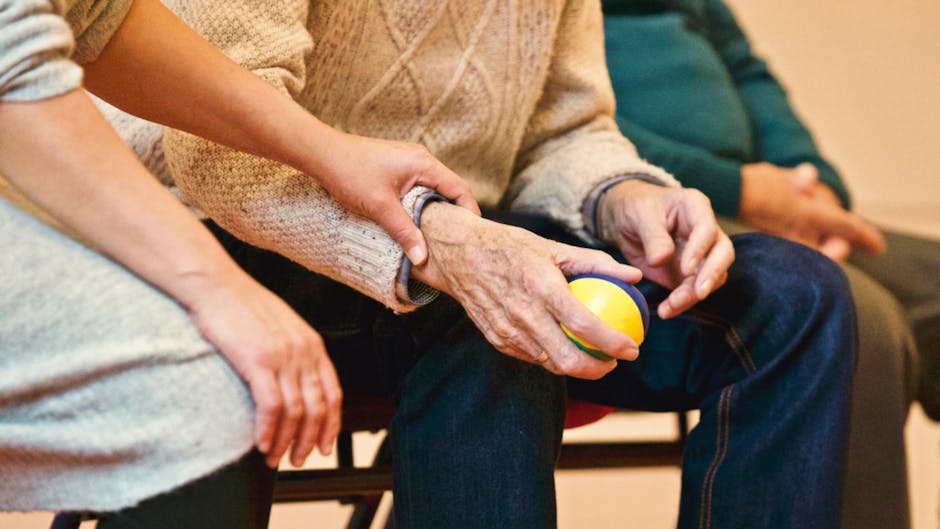
action, adult, affection


What is it?

There are many forms of arthritis that can lead to the classic presentation of achy, swollen joints, however the form we tend to see the most of is Osteoarthritis or OA. OA is also know as the "wear and tear" type of arthritis. What this means is that over time the slippery cartilage that meet on each side of your joints and keep them gliding across one another painlessly has been damaged from an injury or worn out over time. Either way, what is left is a surface that is no longer smooth, and articulating bones that may now be exposed to one another. What results is pain and inflammation. 

Who is affected?

Due to the nature of OA, the population that is most commonly affected are those over the age of 65. This is simply due to the fact that this group of people have had more time for their joints to wear against one another throughout their lives. That being said, OA can affect people of any age and is seen more so in people who have previously injured the affected joint, obese individuals (from increased stress of additional weight on certain joints) and those who have overused a specific joint (think baseball pitchers or sprinters). 


What joints are affected?

Typically OA is a one sided condition where the pain and damage to the joints affects only one joint on one side of the body. This is not always true, multiple joints can be affected, however the distribution is usually not symmetrical. Symmetry in diseased joints may be indicative of other forms of arthritis, Rheumatoid arthritis being the most common of these. The joints that are usually involved in OA include the hips, knees, fingers, feet and spine.

What are the symptoms?

Pain and stiffness are the most commonly reported symptoms of OA. Particularly morning stiffness that improves with motion throughout the day is very common. Swelling, heat and redness around affected joints is also fairly common especially after prolonged use of the joint. Other symptoms include a grating sensation with audible crackling or popping sounds (referred to medically as "Crepitus"), bony growths at affected finger joints, and even difficulty grasping or holding objects due to weakness or pain. 


How can you help yourself?

Fortunately there are things you can do at home to help relieve some of the pain. Before any home treatments are initiated however, I do recommend confirming the diagnosis with your doctor and working together to treat the pain and prevent further erosion. That being said, here are my top 3 tips for helping resolve arthritic pain at home:

  1. Reduce weight - If arthritis is affecting your hips, knees or feet and you are carrying around a few extra pounds, no other intervention will make as immediate an impact as a moderate reduction in weight. If done safely and slowly, it can take that extra stress off your joints, reducing pain and increasing your ability to begin and maintain a steady exercise routine. For more tips on weight loss read my 7 Tips For Successful Weight Loss.
  2. Warm water pool exercises - Whether you're only able to walk or you can swim full lengths, nothing beats warm water pools as an effective pain relief method when it comes to arthritis. The buoyancy takes the weight and stress off your joints while the heat soothes and calms them. This, combined with gentle exercise to strengthen the surrounding muscles will have you feeling pain free and more mobile  in no time!
  3. Castor Oil - When applied topically to the affected joint, castor oil is an excellent anti-inflammatory intervention. It is absorbed into the skin and provides pain relief that is comparable to NSAIDs [1] (the standard drug prescribed) without any of the harmful side effects. 

How can your naturopath help you?

In addition to these at home pain relief techniques, Naturopathic Doctors can use various modalities to suite your specific needs in accomplishing your pain management goals. Modalities such as acupuncture, hydrotherapy, nutraceuticals, botanical medicines and the ever emerging prolotherapy and PrP techniques can all offer additional and complimentary benefits to the treatments you may already be undergoing. Remember not to try to tackle any condition without the help of a registered professional, instead, work with them in coming up with a treatment that works best for you!

Rob Raponi CISSN, B.Kine,
Naturopathic Graduate
www.msknaturopathic.com

1. Medhi, B., et al. "Comparative clinical trial of castor oil and diclofenac sodium in patients with osteoarthritis." Phytotherapy research 23.10 (2009): 1469-1473.

Monday, 27 March 2017

Lose weight and keep it off! Here are 7 tips to achieve successful weight loss


Weight loss can be a tricky thing to accomplish. Many individuals will struggle with weight throughout their lives and it can become a health concern if left unchecked. We often don't even notice the 1-2 pounds per year, but these pounds add up. It is very important however, to understand that the media plays a large role in creating an unrealistic "ideal body" and having perfect abs and the tightest glutes around are not always the goal.

That being said, with the warmer weather around the corner, here are a few tips to cut down on those few extra pounds we didn't intend to gain over the cold and dark winter season...

1) Start your day with a Metabolic Boost!

Begin every morning with a nice glass of room temperature water with half a lemon squeezed into it. This acts to jump start your metabolism and is commonly used in many detox programs as well. Getting those calories burning after they had to slow down while you slept will impact how many calories you burn during the day even if you decide to not do anything else for weight loss!

2) Get Moving! Exercise!

Now I don't mean you have to join a gym and commit to going for 3 hours a day 7 days a week. If you're a beginner, try to walk a few extra minutes a day, take the stairs instead of the elevator (just a few floors will do!), pretend you drive a $300,000 sports car and park that beautiful thing just a bit further then all the other cars when you go to the mall or grocery store. Whatever you can add to your daily routine will impact your overall success. Do remember this though, the more muscle mass you put on, the easier the weight will be to lose and keep lost. Muscle costs your body more calories to maintain than fat does. Add resistance training to your routine to really boost those results!

If you're already a regular gym goer, there are still a few things you can do to really boost that fat loss! Let's be honest, straight up cardio can really suck. No need to worry though! It is not the only option! High intensity interval training (HIIT) is a combination of highly intense bouts of exercise followed by recovery periods that still require some movement. Not only are these exercises more fun, but in the same amount of time (or even less!), the body will burn more calories than it would with constant, moderate intensity cardio. It will even continue to burn fat long after you've stopped exercising as well!

Lastly, for those of you out there who are really keen, try adding a 4-5 minute finisher to the end of your routine. If you aren't familiar with the term, check out an example here. This stuff will really melt the fat off your body!

3) Get rid of refined carbohydrates!

I'm not trying to say you have to cut out all carbs in order to lose weight, but I do strongly recommend getting rid of any grain that starts with the word "white". Instead, make the switch to whole wheat/grain, wild or brown rice, and swap out white potatoes with sweet potatoes. These complex carbohydrates are slower digesting which means you'll stay full longer and your body has to work harder to break them down. Working harder means raising that metabolism once again and all you've done is add some color to your diet.
This does also mean cut out the sugar! Sugar is the enemy and it's hiding in almost anything you don't make for yourself. Sugar is super easy to break down and use as energy, which means anything else you eat in that meal is super easy for your body to store and save for later as fat! Get rid of the sugar and watch the fat melt away!

4) Do not starve yourself!

This one is really important. Starvation diets are the absolute worst thing you can do to lose weight! Aside from not obtaining enough essential nutrients, you will actually hold on to more weight than you might expect. Your metabolism slows down in starvation states to preserve energy, holding on to weight in order to keep you alive. Not effective for healthy weight loss!
Instead, use a simple online calculator to estimate your Basal Metabolic Rate (BMR). This is the amount of calories you will burn if you lay in bed all day and did nothing. NEVER drop your calories below this number! As a general rule, any diet under 1500 calories per day should be avoided. To lose weight successfully, focus on increasing metabolism through dietary choices and exercise and avoid doing things that will slow it down.


5) Set SMART Goals!

Be Specific - "I want to lose weight" is not specific. Instead pick a number or a dress/pant size that you hope to accomplish by the end of your goal.

Measure - Have a unit to track your goal in. Weight can fluctuate as you lose fat and put on muscle. It isn't really a great unit to track your progress. Try evaluating yourself by tracking how many notches on your belt you can tighten or your pant/dress sizes. If you have access, track your body fat percentage too!

Attainable - Make sure the goal you set is realistic. Don't set yourself up for failure by saying you want to lose 20% body fat when you're only at 26% to begin with. Make the goal 1 belt notch at a time and congratulate yourself when you're successful.

Relevant - Is losing weight something you actually want to do? Why? Make sure that if you decide to start on a weight loss journey it's because it's important to you and no one else.

Timely - We all know without deadlines nothing gets done. Procrastination is just so easy! Weight loss is no different! Set an end date. Whether that is your next birthday, New Years, or by the end of the month, make sure to give yourself an end date but always refer back to "A" , ensuring your goal is realistic and attainable.


6) Slow and steady wins the race!

Weight loss should never occur suddenly and rapidly. It is and should be a slow process. This is the best way to ensure success. Aim for no more than 2 pounds per week as an average. Some weeks you may notice that you've lost more than this, others may be under or stagnant. There's no need to measure weekly or even daily, instead take a look monthly as an overall average and make sure weight is not being lost too quickly. Dropping pounds too fast may mean you are limiting your calories by too much and this can lead to more problems down the road. A small deficit of 500 calories per day will be the equivalent of 1 pound of weight loss per week (3500 calories = 1 lb of fat).

7) Stress management!

This is my final tip and it is not spoken about often enough, however it can be that lingering factor affecting so many people who struggle to shed those last few pounds. This is especially true for belly fat in particular. Stress, more specifically cortisol production, can lead to abdominal fat deposits that just won't go away. Diet and exercise can have positive impacts, but if you don't take the time to slow down and breathe each day, that belly fat will be there to stay! So set aside a few minutes each day to meditate, breathe, relax, color, read or whatever it is you do to unwind. Simply making time for yourself can help you achieve those SMART goals you've set!


There it is, my top 6 ways to lose weight healthfully and effectively. Try it out for yourself and let me know how it works for you!

Rob Raponi
B.Kine, CISSN, Naturopathic Intern
www.msknaturopathic.com

Thursday, 25 August 2016

Diets 101: Ketogenic Diet

The Ketogenic diet has been used primarily as a weight loss diet in the past (and a very effective one at that), however more recent research has surfaced showing great promise for it's use in various diseases such as epilepsy, Parkinson's disease, diabetes and even cancer.

So what is it?

The Keto diet follows the premise of consuming a high fat and low carbohydrate diet with adequate amounts of protein. The percentage of total caloric intake per day are as follows:
Calories from fat: 60-75%
Calories from protein: 15-30%
Calories from carbohydrates: 5-10%
Carbs are the primary energy source of the body. They are easily converted to glucose and used as energy, but excess amounts can just as easily be stored as fat. With the Keto diet, carbs are reduced to an amount that is not sufficient enough to sustain the energy needs of the body. Because of this, the body is forced to adapt. It is this adaptation which enables the previously mentioned benefits of this diet to occur.

Ketogenesis is the process of breaking down and converting stored fat into ketones for energy use. The brain can only use glucose and ketones as energy, so when there is no more glucose around, ketones become the primary source of fuel. This means that lowering the amount of carbs you consume and entering a state of ketosis allows you to burn fat without even having to think about it! This is the premise behind why the weight loss is so effective and the ketone bodies themselves seem to be where the health benefits arise from.

5 Health Benefits of the Ketogenic Diet

Following a Ketogenic diet is not something that should be tackled without seeking the advice of a professional, especially if the benefits being sought are for the aid of medical conditions. That being said, there is a lot benefit to be obtained and if weight loss or disease control is something that is of interest, book an appointment and consult a medical professional first.

1. Glycemic control
Following a Keto diet has been proven to significantly impact glycemic control, leading to a decrease in blood glucose. This makes sense considering the absence of carbohydrates and sugars in the diet, but it does warrant supervision in diabetic patients who are medicated since blood sugar may drop too low.

2. Anti-inflammatory
While not a heavily researched area of the Ketogenic diet, it is inherently effective as an anti-inflammatory diet due to the elimination of proteins like gluten, and refined sugars. Further modifications can easily be incorporated on a case by case basis in order to ensure specific intolerances are avoided.

3. Weight loss
Weight loss on a Ketogenic diet comes easy. You are literally burning fat while just sitting around. Now I wouldn't recommend relying on diet alone, exercise is very important for more than just weight loss purposes, but calories still do play a role in how much weight can be lost. This diet itself however, does not feel very restrictive when it comes to consumption of foods. Once your body adjusts to working off of fat, satiety is achieved and maintained for much longer than a carbohydrate heavy diet. This means without even realizing, you'll be consuming less calories.
Less calorie consumption + constant fat burning = weight loss
Weight loss on it's own has additional benefits including lowering blood pressure, decreasing pain associated with arthritis, improving diabetic control, and decreasing the risk of cardiovascular disease.

4. Energy
Who couldn't use more energy? While on the Ketogenic diet, there will be an initial drop in energy and increase in hunger as your body adapts to these changes that are occurring. I can tell you from personal experience that they are not great BUT they do pass. If you stick with the dietary changes, after a few days the hunger will decrease, the mental clarity will improve and you stop experiencing periods of grogginess and fatigue that typically accompany a crash in energy after a carbohydrate or sugar dense meal. These changes are quite noticeable and lasting. They are most definitely worth the first few days of unhappiness. The trade off is a much longer lasting increase in energy and mental clarity.

5. Performance
While specific research in the area of exercise performance is difficult to come by, the consensus of athletes who follow a Ketogenic diet seem to all be in favour of this way of eating. When you break it down it really just makes sense for a variety of athletes. First benefit, fat loss.. More lean muscle, less weight to carry around. That alone is beneficial for most. Next benefit, efficient use of fat as energy. This means fat burning fuel is the first and last energy source. There will be no crossover between carbohydrate stores to fat stores and a crash in energy. All you're left with is a consistent conversion of energy from fat. This is useful for the endurance athlete, who has to rely on fat as a fuel source during long bouts of exercise. With the great majority of endurance performance coming from fat burning anyway (pretty much anything after 20 minutes), having optimized this method of energy conversion prior to an event can only be beneficial.
I recently experienced this first hand and can attest to the claims made by others who follow this way of eating. Patience and timing are factors that need to be considered though, if performance enhancement is your goal. There is an adaptation period in which your performance (particularly endurance) will take a drastic hit. I learned this early on by attempting to go for a light jog within 5 days of starting my Keto diet experience. After about 1 minute of jogging I felt like I had run a full marathon (or at least what I might imagine that would feel like). I don't recommend doing that at all, instead, give it some time and try to save the more serious endurance events for closer to 1 month after starting. If you persevere, you will notice drastic changes in your performance.

What to eat?!

Avoiding carbs is not all that bad! At first it feels like a daunting task, especially if you are not prepared for it. My number one tip for being successful at following through with these dietary changes is to remove temptations from your eating space. Pick a day that you want to start. In the days leading up to this, either consume or throw out any and all sources of temptation! Eat up all that pasta, have a few cookies, dump that pop down the sink and don't pretend you forgot to clean out the freezer! Not having these foods around will make things a lot easier.

Once that's out of the way, make sure you stalk up so you don't go hungry. Start to replace those foods you've gotten rid of with Keto friendly options such as:

Nuts (Almond, Walnut, Cashew, Macadamia, Hazelnut, Brazil Nut, Peanut*)
Oils and Fats (Healthy oils - Olive oil, Coconut oil, Avocado oil, Walnut oil, Sesame oil) 
                      (Fats - Butter!, Ghee, Heavy cream, Cheese)
Meats (Chicken, Turkey, Beef, Pork, Lamb, Venison, Small birds, Large birds, Rabbit, Eggs)
Seafood (Crab, Lobster, Fish**, Shrimp, Calamari)
Veggies (Avocado, Spinach, Kale, Collards, Zucchini***, Broccoli, Cauliflower, Pumpkin, Lettuce)
Drinks (Coffee, Tea, Coconut milk, Almond Milk, Cashew Milk, Water!, Vodka if you must)
            - ensure all of these are unsweetened!
Dessert (Yes, you can still have dessert. You just have to get a little creative. I suggest looking up Keto friendly dessert recipes but anything made with coconut, cocoa, cinnamon or high fat dairy is perfectly fine)

*Peanuts - Some debate here but I love my peanut butter so you can't make me not include it! Just go for ones without anything added.
**Fish - Stick to smaller fish as the primary source here as larger fish like tuna and sword fish have higher amounts of bioaccumulated toxins like mercury. Sardines are the best bet but salmon and white fish sized fish are fine as well.
***Zucchini - Get your hands on a vegetable spiralizer and replace spaghetti with a zucchini imposter! Try butter and sage as the sauce.

The key to success and maximizing the benefits that can be obtained from following this diet is choosing foods that are good for you! Yes, it is a high fat diet, but that doesn't mean you should be deep frying everything you eat. Try as much as possible to bake, steam, boil and add the above mentioned oils raw as a drizzle on top of already cooked foods. If done correctly, this high fat diet can actually reduce triglycerides and LDL cholesterol (the bad one), and increase HDL cholesterol (the good one)!

Remember that starting a diet like this is not something you should tackle on your own. Always seek the assistance of a medical professional before tackling major voluntary dietary changes especially if you're seeking therapeutic results. That being said, if this fat burning, energy producing, glycemic stabilizing diet sounds like something that interests you, book an appointment and get the wheels in motion!

Rob Raponi, CISSN, B.Kine,
Naturopathic Intern
www.msknaturopathic.com

References

Hussain, Talib A., et al. "Effect of low-calorie versus low-carbohydrate ketogenic diet in type 2 diabetes." Nutrition 28.10 (2012): 1016-1021.


Partsalaki, Ioanna, Alexia Karvela, and Bessie E. Spiliotis. "Metabolic impact of a ketogenic diet compared to a hypocaloric diet in obese children and adolescents." Journal of Pediatric Endocrinology and Metabolism 25.7-8 (2012): 697-704.

Yancy, William S., et al. "A randomized trial of a low-carbohydrate diet vs orlistat plus a low-fat diet for weight loss." Archives of internal medicine 170.2 (2010): 136-145.

Gibson, A. A., et al. "Do ketogenic diets really suppress appetite? A systematic review and meta‐analysis." Obesity Reviews 16.1 (2015): 64-76.

Zajac, Adam, et al. "The effects of a ketogenic diet on exercise metabolism and physical performance in off-road cyclists." Nutrients 6.7 (2014): 2493-2508.

Paoli, Antonio, et al. "Effects of n-3 polyunsaturated fatty acids (ω-3) supplementation on some cardiovascular risk factors with a ketogenic Mediterranean diet." Marine drugs 13.2 (2015): 996-1009.

Dashti, Hussein M., et al. "Beneficial effects of ketogenic diet in obese diabetic subjects." Molecular and cellular biochemistry 302.1-2 (2007): 249-256.

Wednesday, 22 June 2016

Diets 101: Intermittent Fasting

Okay, so maybe this first entry isn't exactly a diet, however it is a great place to start if you're someone who wants to make lifestyle changes that can alter the way you think and act with regards to food.


Enter Intermittent Fasting

Intermittent Fasting (IF) can be accomplished in a few different ways but the beauty of this dietary practice is in it's simplicity. There is no fancy food list to follow, no complicated recipes to cook up, and no consumption of time to do it... in fact, it gives you more free time in the day. All you need to do is not eat. No meal prep, no cook time, nothing complicated, just do no eat anything for a period of time. I'll admit that this doesn't sound too great, but I promise it gets better, just stick with me.

How long and how often you decide to fast is totally up to you and your comfort level with going for extended periods of time with no food.

The first method is fasting on alternate days. One day you eat, one day you don't. This method sounds a bit extreme to me personally and I don't know how realistic it would be to follow long term.

Another method is the 8 hour eating period per day. You basically allow yourself an 8 hour period each day where you are allowed to consume food, and once that time is up you fast for 16 hours until you've reached your next 8 hour period. An example of this would be only allowing yourself to eat between the hours of 10am-6pm each day. This method could be easier for some, and many people may actually already be doing this without knowing when they skip breakfast and don't eat until noon (mind you, coffee with a bunch of sugar and milk first thing in the morning is not consistent with IF!).

The final method may be the easiest of the three and will still offer tremendous benefits. The one day fast is all about selecting a day of the week where you will choose not to eat for a certain period of time. I like to aim for 18 hours, but this can range from 14-24 hours in length.

**During these times of fasting it is important and helpful to remember that you can drink as much water or tea as you desire. Coffee is acceptable as well as long as no sugars, milks or creams are added!

These all seem like very long times to go without food, but the trick is to time it out properly so that you hardly notice you've fasted. Let's say one night you finish dinner by 6pm and choose to begin your fast from this point on. You're in bed by 11pm and wake up for 7am the next day. At this point you've already made it 13 hours without having to do much at all. If you can just make it until noon you will have reached that 18 hour time and can start eating once again. And remember, this would only be one time a week. What is very important to remember when breaking the fast though, is to eat like you normally would at the time at which you decide to end it. The first few times you do this you will be very hungry and it will be extremely tempting to just eat everything you can get your hands on but you should just return back to eating normally. Have lunch if it's lunch time or a snack if you're somewhere in between meals, just remember to eat slowly and allow yourself some time to digest so that your brain can recognize that your stomach has received some food and you can avoid going overboard.

At this point you may be asking yourself, "But why?", and I do have reasons to back this up. IF has been shown to reduce oxidative damage and inflammation, protect cells from damage, and optimize energy metabolism. With that comes it's studied effects in chronic degenerative and inflammatory diseases. It's even been shown to reduce signals in the body that are associated with aging! There are proven studies on how IF is even being used in mood disorders with promising results. It's also a simple and effective way to lessen the calorie load for the day and makes maintaining weight that much easier.

The point about affecting moods is an intriguing one for me. My first attempt at IF was an interesting experience. I can tell you with confidence that my mood was not affected in a very positive way initially. At first, all I could do was think about food and fantasize about when I would be able to eat again. Following that came the fatigue which was quickly replaced by irritability. My first attempt at IF was definitely a mental battle, but after having made it through 18 hours without food I noticed a change in myself. I quickly realized how much of an affect food had on me. It seemed for a while that food was in charge, food dictated what I should be doing or how I should be feeling and this for me was the most positive outcome of beginning a weekly IF routine. Willingly being able to withhold yourself from food can change your relationship with it. You really start to be able to tell the difference between when you're actually hungry versus when you're just bored or giving in to cravings. All the scientific evidence aside, this is what I believe to be the most powerful outcome of challenging yourself to fast. You can begin to take control of your health through understanding the dynamic between yourself and what you are eating. You can control cravings and eat for healthy pleasure and not just indulge on pleasure alone. This is why I chose to start my diet series here, with a post about something that isn't quite a diet, but is a great stepping stone to making healthier lifestyle changes that will last and not simply be the next fad.

To summarize, IF is a great practice for your mind and body. Yes, you will be reducing calories because you are not eating so weight maintenance or loss is made easier from that point of view. There will be benefits in terms of decreased inflammation, decreased oxidative damage, improved insulin control and slowing of aging but most of all your relationship with food will change. It's not going to feel great at first, but each time you do it, it will get easier and easier. I challenge you to try it out for yourselves. Start with a shorter fast the first time and build from there. Once a week is my preferred method, but choose one that you think would work best for you. Just remember to consult with your doctor before beginning, especially if you have any illnesses that may affect your bodies ability to fast safely.

Rob Raponi, CISSN, B.Kine,
Naturopathic Intern
www.msknaturopathic.com

Below are some references for those interested in reading more:

1. Longo, Valter D., and Mark P. Mattson. "Fasting: molecular mechanisms and clinical applications." Cell metabolism 19.2 (2014): 181-192.

2. Michalsen, Andreas, and Chenying Li. "Fasting therapy for treating and preventing disease-current state of evidence." Forschende Komplementärmedizin/Research in Complementary Medicine 20.6 (2013): 444-453.

3. Hussin, N. M., et al. "Efficacy of fasting and calorie restriction (FCR) on mood and depression among ageing men." The journal of nutrition, health & aging17.8 (2013): 674-680.

4. Klempel, Monica C., et al. "Intermittent fasting combined with calorie restriction is effective for weight loss and cardio-protection in obese women." Nutrition journal 11.1 (2012): 1.

5. Halberg, Nils, et al. "Effect of intermittent fasting and refeeding on insulin action in healthy men." Journal of Applied Physiology 99.6 (2005): 2128-2136.