Showing posts with label naturopath. Show all posts

Thursday, 28 December 2017

Fight the Cold and Flu with Food!

It's that time of year. Everyone around you is starting to develop some sort of sniffle, cough, sneeze or runny nose. You'll try your absolute best to avoid all contact with those you know are infected, but eventually someone you don't know will sneak up behind you and cough in your direction, almost as if they're doing it on purpose. Like you are sworn enemies and the target of their biological warfare in a battle you never wanted to be a part of. Cold and flu season is here whether you like it or not, but you can do something about it! The best offence is a good defence, so let me tell you about some foods you can eat that will help you fight off these nasty viruses this year!


Mushrooms
Mushrooms are quite impressive organisms. This Honey Mushroom currently holds the record for being the largest living organism on earth, spanning 3 square miles across the Blue Mountains of Eastern Oregon. Aside from their incredible ability to adapt and thrive, some species of mushrooms are incredibly nutritious and have been used medicinally for centuries. The fungal polysaccharides found in mushrooms are responsible for boosting our immune system and helping us fight the good fight against colds and flus. Not all mushrooms are created equal however, as certain species will have stronger immune boosting effects than others. Maitake, shiitake, reishi, cordyceps and chaga mushrooms have the strongest immune boosting effects and as an added bonus, act as adaptogens to better manage stress.


Horseradish
This one came as a bit of a surprise to me as well, but this common household condiment can be used to fight infection as well. Aside from it's immediate sinus clearing actions from the burn you feel when you eat it, horseradish actually has bacteria fighting properties. Throw in some garlic and you've made yourself a tasty, virus fighting garnish!


Oil of Oregano
This stuff works! It definitely is not pleasant to take and should not be overused, but taking a few drops when you feel the beginnings of a cold or flu coming on can sometimes stop that virus dead in it's tracks and prevent it from ever becoming a full blown attack. Some people have sworn by this virus busting oil for some time now and we know it can fight bacteria with force. Definitely worth keeping on hand. 


Vitamin D
I can't stress this last point enough! Vitamin D is absolutely crucial to anyone living in Canada, and even more so in the winter months. It's no wonder cold and flu season begins when we enter into eternal darkness (a.k.a. winter). We simply do not get enough. Vitamin D actually acts more as a hormone than a vitamin and is strongly linked to our immune defences. Up your Vitamin D intake and you'll greatly increase your chances of not getting sick this season while everyone around you starts to sniffle. Good food sources include fish such as salmon, mackerel, and tuna, egg yolks and certain mushrooms as well like portabella, chanterelles, and maitake. 


As a last point, remember to do your part to stop the spread of germs as best you can. Wash your hands with soap and water and avoid contacting areas of your body where germs can easily enter like your eyes and mouth. Minimizing your exposure while increasing your defences are the best way to avoid any nasty viruses this cold and flu season!


Dr. Rob Raponi ND, CISSN, B.Kine(Hons)

Wednesday, 22 November 2017

Impacts of stress on memory


I've known of the performance advantages in competitive athletes who use a carbohydrate mouth rinse just before competition for some time now. It consists of swishing a sugary solution in your mouth and spitting it out just before competition. It stimulates reward pathways in your brain and can improve performance in competitions where every millisecond counts. This can be particularly helpful in Ketogenic athletes since they won't actually be ingesting any sugars and not altering their ketotic state.

This new article out of the JISSN however, opened my eyes to a broader topic that is relatable to almost everyone. Basically they found that a carbohydrate mouth rinse after exercise halted the decline in executive function associated with exercise. What makes this even more interesting is the fact that the researchers also measured stress hormones and found that the reason executive function was not hindered was the associated decrease in stress hormones found in test subjects who took the carbohydrate mouth rinse after exercise. So, athletic performance aside, what this article really outlines is that we simply cannot perform our best when under constant stress. Executive function deals with our ability to plan, pay attention, problem solve and remember things.

I'm not saying sugars are the answer here! I just want to point out that stress can immediately impact our cognitive abilities. Living constantly stressful lives without taking the time to meditate, enjoy hobbies, learn something new or just do things you love can have significant impacts on how you live your day to day life.

My favourite 2 apps that I recommend to almost everyone I see in practice for helping destress at home for free are Headspace and Down Dog. Headspace is a guided meditation app for your phone that you can set for as little as 2 minutes or as long as you can tolerate. Down dog is an amazing free yoga app that creates a new workout for you each time you use it and can be set to a time and difficulty level of your choosing. I love yoga for it's focus on breathing techniques while getting in some exercise and much needed stretching at the same time.

Let me know if any of you have other apps or things you like to do to help destress at the end of a long day or particularly difficult week. I'd love to hear and learn of new methods for myself and others!


Link to the article for those interested:

https://jissn.biomedcentral.com/articles/10.1186/s12970-017-0200-0

Dr. Rob Raponi ND, CISSN, B.Kine(Hons)
www.msknaturopathic.com

Monday, 28 August 2017

Relieve Your Arthritis Pain At Home With These 3 Simple Tips!

action, adult, affection


What is it?

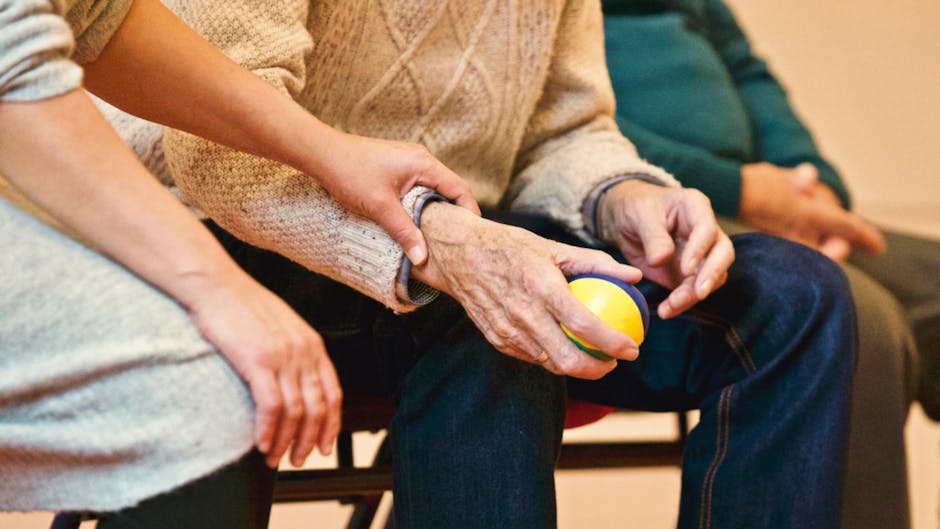
There are many forms of arthritis that can lead to the classic presentation of achy, swollen joints, however the form we tend to see the most of is Osteoarthritis or OA. OA is also know as the "wear and tear" type of arthritis. What this means is that over time the slippery cartilage that meet on each side of your joints and keep them gliding across one another painlessly has been damaged from an injury or worn out over time. Either way, what is left is a surface that is no longer smooth, and articulating bones that may now be exposed to one another. What results is pain and inflammation. 

Who is affected?

Due to the nature of OA, the population that is most commonly affected are those over the age of 65. This is simply due to the fact that this group of people have had more time for their joints to wear against one another throughout their lives. That being said, OA can affect people of any age and is seen more so in people who have previously injured the affected joint, obese individuals (from increased stress of additional weight on certain joints) and those who have overused a specific joint (think baseball pitchers or sprinters). 


What joints are affected?

Typically OA is a one sided condition where the pain and damage to the joints affects only one joint on one side of the body. This is not always true, multiple joints can be affected, however the distribution is usually not symmetrical. Symmetry in diseased joints may be indicative of other forms of arthritis, Rheumatoid arthritis being the most common of these. The joints that are usually involved in OA include the hips, knees, fingers, feet and spine.

What are the symptoms?

Pain and stiffness are the most commonly reported symptoms of OA. Particularly morning stiffness that improves with motion throughout the day is very common. Swelling, heat and redness around affected joints is also fairly common especially after prolonged use of the joint. Other symptoms include a grating sensation with audible crackling or popping sounds (referred to medically as "Crepitus"), bony growths at affected finger joints, and even difficulty grasping or holding objects due to weakness or pain. 


How can you help yourself?

Fortunately there are things you can do at home to help relieve some of the pain. Before any home treatments are initiated however, I do recommend confirming the diagnosis with your doctor and working together to treat the pain and prevent further erosion. That being said, here are my top 3 tips for helping resolve arthritic pain at home:

  1. Reduce weight - If arthritis is affecting your hips, knees or feet and you are carrying around a few extra pounds, no other intervention will make as immediate an impact as a moderate reduction in weight. If done safely and slowly, it can take that extra stress off your joints, reducing pain and increasing your ability to begin and maintain a steady exercise routine. For more tips on weight loss read my 7 Tips For Successful Weight Loss.
  2. Warm water pool exercises - Whether you're only able to walk or you can swim full lengths, nothing beats warm water pools as an effective pain relief method when it comes to arthritis. The buoyancy takes the weight and stress off your joints while the heat soothes and calms them. This, combined with gentle exercise to strengthen the surrounding muscles will have you feeling pain free and more mobile  in no time!
  3. Castor Oil - When applied topically to the affected joint, castor oil is an excellent anti-inflammatory intervention. It is absorbed into the skin and provides pain relief that is comparable to NSAIDs [1] (the standard drug prescribed) without any of the harmful side effects. 

How can your naturopath help you?

In addition to these at home pain relief techniques, Naturopathic Doctors can use various modalities to suite your specific needs in accomplishing your pain management goals. Modalities such as acupuncture, hydrotherapy, nutraceuticals, botanical medicines and the ever emerging prolotherapy and PrP techniques can all offer additional and complimentary benefits to the treatments you may already be undergoing. Remember not to try to tackle any condition without the help of a registered professional, instead, work with them in coming up with a treatment that works best for you!

Rob Raponi CISSN, B.Kine,
Naturopathic Graduate
www.msknaturopathic.com

1. Medhi, B., et al. "Comparative clinical trial of castor oil and diclofenac sodium in patients with osteoarthritis." Phytotherapy research 23.10 (2009): 1469-1473.

Wednesday, 30 December 2015

How Sugar Can Help With Your Pain - Prolotherapy

What do arthritis, tendinitis/tendinosis, and low back pain have in common? Well aside from low back pain they can affect many different areas of the body and they are all quite difficult to effectively treat. Currently, the standard of care for most of these is a watch and wait approach (wait around and see if it gets better on it's own), corticosteroid injections (which effectively deal with pain management but little else), or physiotherapy (helpful, but has it's limitations). The majority of these approaches are effective at dealing with pain in these conditions but do not really help in the healing of the damaged tissues. Even the pain management seems to be somewhat short lived.

Enter prolotherapy. In short, it is an injection based therapy where a solution of sugar (hypertonic dextrose) is introduced into the area of pain. From here on out the exact reason for how this works is a bit unclear but the strongest theory is that this causes inflammation to the area which then in a way, forces the body to begin to heal a part of itself in which it essentially has forgotten about. Now this isn't the same type of inflammation you get during an allergic reaction or cut on your skin, rather it's quite mild and only serves to reactivate the healing process.

So here we have an alternative to the current standards of care but how does it stack up when compared against them? Quite well actually. Research has shown that not only is prolotherapy comparable to corticosteroid injections for reducing pain, but it can also return the individual to proper function and strength quicker. Additionally, the effects it has last over a longer period of time than any of the comparable treatments! So it works as effective or better than the current treatments, and it's effect lasts longer.. too good to be true? No, not really. I mean as long as you're ok with needles, the only side effect seen after treatment is some soreness at the site of injection. That's pretty incredible considering the alternatives. And just to be clear, I'm not against the standards of care in any way, they are the standards for a reason. I just think it's important to have choice and know all the options before receiving a treatment.

So why is prolotherapy not more widely known and used? Well, if you live in Ontario or many other provinces and states across North America, prolotherapy is not actually allowed to be practiced by Medical or Naturopathic doctors. Because the research coming out is so new and the participant sizes in the studies are relatively small, many governing bodies are hesitant to allow prolotherapy to flourish... for now. With a growing body of research supporting it's uses and relatively no negatives against it, it may only be a matter of time before it makes it's way into more of North America.

Who knew sugar could be so good?

Rob Raponi, CISSN, B.Kine,
Naturopathic Intern
www.msknaturopathic.com


For those interested in learning more, feel free to read up on some of the research:

References

  1. Rabago, David, et al. "Hypertonic dextrose and morrhuate sodium injections (prolotherapy) for lateral epicondylosis (tennis elbow): Results of a single-blind, pilot-level randomized controlled trial." American journal of physical medicine & rehabilitation/Association of Academic Physiatrists 92.7 (2013): 587. 
  2. Bernard, BP. Musculoskeletal disorders and workplace fractures: a critical review of the epidemiological evidence for work-related musculoskeletal disorders of the neck, upper extremity and low back. National Institute for Occupational Safety and Health; Washington D.C.: 1997. NIOSH Publication 97-141 
  3. Hudak PL, Cole D, Haines T. Understanding prognosis to improve rehabilitation: example of lateral elbow pain. Arch Phys Med Rehabil. 1996; 77:586–593. [PubMed: 8831477] 
  4. Bisset L, Beller E, Jull G, et al. Mobilization with movement and exercise, corticosteroid injection or wait and see. BMJ. 2006; 333:939. [PubMed: 17012266] 
  5. Maynard JA, Pedrini VA, Pedrini-Mille A, et al. Morphological and biochemical effects of sodium morrhuate on tendons. Journal of Orthopaedic Research 1985;3:236–248. [PubMed: 3998899] 
  6. Verhaar JA: Tennis elbow. Anatomical, epidemiological and therapeutic aspects. Int Orthop 1994, 18:263-267. 
 
  7. Krogh, Thøger Persson, et al. "Comparative Effectiveness of Injection Therapies in Lateral Epicondylitis A Systematic Review and Network Meta-analysis of Randomized Controlled Trials." The American journal of sports medicine 41.6 (2013): 1435-1446. 
  8. Petrella, Robert J., et al. "Management of tennis elbow with sodium hyaluronate periarticular injections." BMC Sports Science, Medicine and Rehabilitation 2.1 (2010): 4. 
  9. Scarpone, Michael, et al. "The efficacy of prolotherapy for lateral epicondylosis: a pilot study." Clinical journal of sport medicine: official journal of the Canadian Academy of Sport Medicine 18.3 (2008): 248. 
  10. Rabago, David, et al. "A systematic review of four injection therapies for lateral epicondylosis: prolotherapy, polidocanol, whole blood and platelet-rich plasma." British journal of sports medicine 43.7 (2009): 471-481. 
  11. Prolotherapy for the treatment of lateral epicondylitis: A double-blind pilot study. North American Research Conference on Complementary and Integrative Medicine; Edmonton, Canada. 2006. Focus Altern Complement Ther 
  12. Lyftogt, John. "Subcutaneous prolotherapy treatment of refractory knee, shoulder, and lateral elbow pain." (2007): 110. 
  13. Coombes, Brooke K., Leanne Bisset, and Bill Vicenzino. "Efficacy and safety of corticosteroid injections and other injections for management of tendinopathy: a systematic review of randomised controlled trials." The Lancet 376.9754 (2010): 1751-1767. 
  14. Carayannopoulos, Alexios, et al. "Prolotherapy versus corticosteroid injections for the treatment of lateral epicondylosis: a randomized controlled trial." PM&R 3.8 (2011): 706-715. 
  15. Johnson, Greg W., et al. “Treatment of Lateral Epicondylitis.” Am Fam Physician. 2007 Sep 15;76(6):843-848. 
  16. Smidt N, van der Windt DA, Assendelft WJ, Deville WL, Korthalsde Bos IB, Bouter LM. Corticosteroid injections, physiotherapy, or a wait-and-see policy for lateral epicondylitis: a randomised controlled trial. Lancet. 2002;359:657–62. 
  17. Green S, Buchbinder R, Barnsley L, Hall S, White M, Smidt N, et al. Non-steroidal anti- inflammatory drugs (NSAIDs) for treating lateral elbow pain in adults. Cochrane Database Syst Rev. 2001;(4):CD003686. 
  18. Smidt N, Assendelft WJ, van der Windt DA, Hay EM, Buchbinder R, Bouter LM. Corticosteroid injections for lateral epicondylitis: a systematic review. Pain. 2002;96:23–40. 
  19. Bisset L, Paungmali A, Vicenzino B, Beller E. A systematic review and meta-analysis of clinical trials on physical interventions for lateral epicondylalgia. Br J Sports Med. 2005;39:411–22. 
  20. Chang, Wen-Dien, Ping-Tung Lai, and Yung-An Tsou. "Analgesic Effect of Manual Acupuncture and Laser Acupuncture for Lateral Epicondylalgia: A Systematic Review and Meta-Analysis." The American journal of Chinese medicine 42.06 (2014): 1301-1314. 
  21. Khan KM, Cook JL, Kannus P, et al. Time to abandon the ‘tendinitis’ myth. BMJ. 2002; 324:626– 627. [PubMed: 11895810] 
  22. Røe, C., et al. "[No effect of supplement of essential fatty acids on lateral epicondylitis]." Tidsskrift for den Norske laegeforening: tidsskrift for praktisk medicin, ny raekke 125.19 (2005): 2615-2618. 
  23. Chesterton, Linda S., et al. "Transcutaneous electrical nerve stimulation as adjunct to primary care management for tennis elbow: pragmatic randomised controlled trial (TATE trial)." BMJ 347 (2013): f5160. 
  24. Buchbinder, Rachelle, et al. "Systematic review of the efficacy and safety of shock wave therapy for lateral elbow pain." The Journal of rheumatology 33.7 (2006): 1351-1363. 
  25. Rabago, David, Andrew Slattengren, and Aleksandra Zgierska. "Prolotherapy in primary care practice." Primary Care: Clinics in Office Practice 37.1 (2010): 65-80. 
  26. Maynard JA, Pedrini VA, Pedrini-Mille A, Romanus B, Ohlerking F. Morphological and biochemical effects of sodium morrhuate on tendons. Journal of Orthopaedic Research. 1985;3:236–248. 
  27. Jensen, Kristina T., et al. "Response of knee ligaments to prolotherapy in a rat injury model." The American journal of sports medicine 36.7 (2008): 1347-1357. 
  28. Rabago, D., J. J. Patterson, and M. Mundt. "Feature Article Prolotherapy: A nontraditional approach to knee osteoarthritis Dextrose injections into the knee can reduce pain and improve a patient’s quality of life. From The Journal of Family Practice. 2014; 63 (4): 206-208." The Journal of Family Practice 63.4 (2014): 206-208.

Friday, 14 August 2015

What is Naturopathic Medicine?

While it is a quickly growing field, there are still quite a few misconceptions about what it actually means to be a naturopathic doctor, or simply, ND. I personally see this every time I meet new people and tell them about what it is I do. Soon after informing them that I am studying to become an ND I am typically met with one of the following three responses;

1) They love it and proceed to having an entertainingly extensive conversation about what they take and who they've had visits with,
2) Disapproval or impartiality. Conversation doesn't usually last long, and
3) "Oh! Like homeopathy?"

Those last two responses (especially the third) are the reason I have decided to start my blog by clearing the air about what exactly naturopathic medicine is and what it is we do. 

So, who are these crazy individuals who decide to get into this field? Where did we come from and why this form of medicine? I can't speak for all of us, but I can tell you we are quite the diversified group of individuals united by the common goal of helping others, and I mean truly helping others in any and every way that we can. I can also tell you that to get where we are we are required to finish an undergraduate degree, complete all of the prerequisite university level science courses and then successfully complete another four year degree at an approved naturopathic college. So we also love to prolong that whole graduate and enter the work force thing. 

Enough of the backstory, let's get back on topic. What is naturopathic medicine? What it really all comes down to is treating the root cause of disease. We are trained to do a very thorough patient intake in which we attempt to obtain a complete history of factors that may have contributed to that specific individual's illness. Attention to detail, asking the right questions, obtaining lab tests and ensuring that each person is heard as their own unique case are all key factors into how an ND begins their approach to identify and then treat the root cause.

The simplest way I can explain what we do is by comparing ND's to mechanics and our patients to their cars. When a warning light shows up on your car dashboard, it's trying to tell you something is wrong even though you may have no idea what that light means (or is that just me?). Now you can do one of two things here; take your car to the mechanic where the problem will be diagnosed and fixed from the inside so the light turns off, or you can simply cover the warning light with a piece of tape and forget that it's there. Here we can see how simply treating the symptom (the warning light) is really not getting down to the real reason it came on in the first place. ND's are the mechanics who are going to use all of their tools to diagnose and fix the real problem. Instead of wrenches, ratchets and screwdrivers, ND's use nutrition, counselling, physical manipulation, acupuncture, supplements and yes, occasionally homeopathy to develop a treatment plan that is specific and realistic to the individual so that their illness can be addressed properly and thoroughly. While the results may take longer to achieve than a conventional medical treatment protocol , the overall results will be lifelong and with fewer complications.

I hope I have been able to clear the air on what naturopathic medicine is and I encourage any and all of you to continue to research more about it and comment or ask me any questions you may have.

Rob Raponi, CISSN, B.Kine,
Naturopathic Intern
www.msknaturopathic.com